- The Supply Times
- Posts
- Slimming Waists and Starving Snack Empires
Slimming Waists and Starving Snack Empires
The Supply Times Issue #92

Naseem Malik
January 29, 2026

Hello, dear readers!
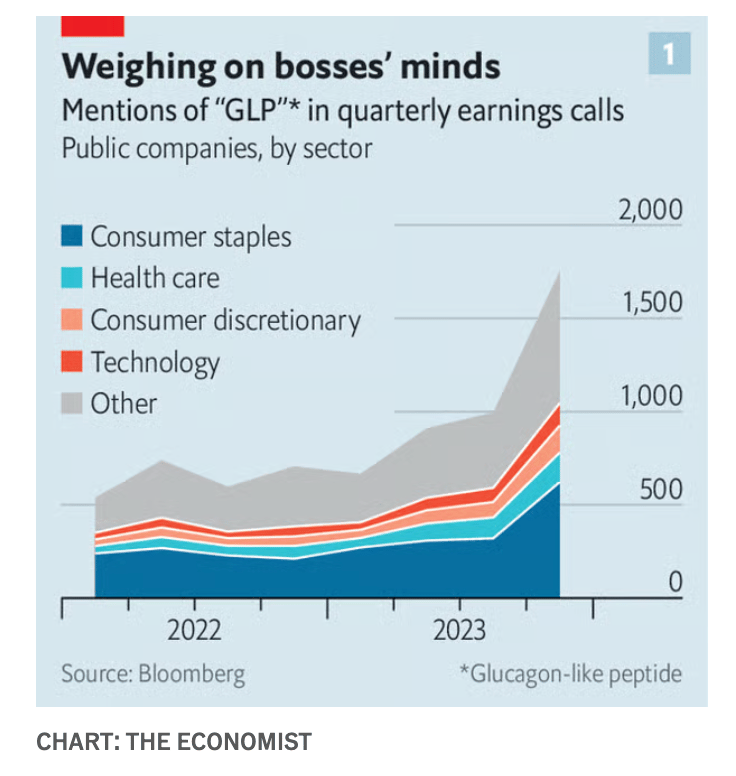
GLP-1s like Wegovy are starting to chip away at more than just waistlines. As users demonstrate a rapid change in consumer behavior, some industries are set to benefit while others suffer. The losers? Junk food, supermarket snack aisles, and businesses that traditionally benefit from addiction: alcohol, gambling, and tobacco. Winners? Restaurants, health clinics, and apparel. And this is only the beginning. Keep reading to see the numbers.
Also, would you be happy to train your own AI replacement? What if you were offered a fully-remote, intellectually stimulating role that pays $95 per hour to do so? Mercor is one of several companies hiring highly-trained, white-collar experts to train AI models on … well, everything. More on that below.
This issue features the usual bunch of AI Insights and recommendations for the week's podcasts, books, shows, charts, and tweets, followed by a final chuckle.
Let’s get going.
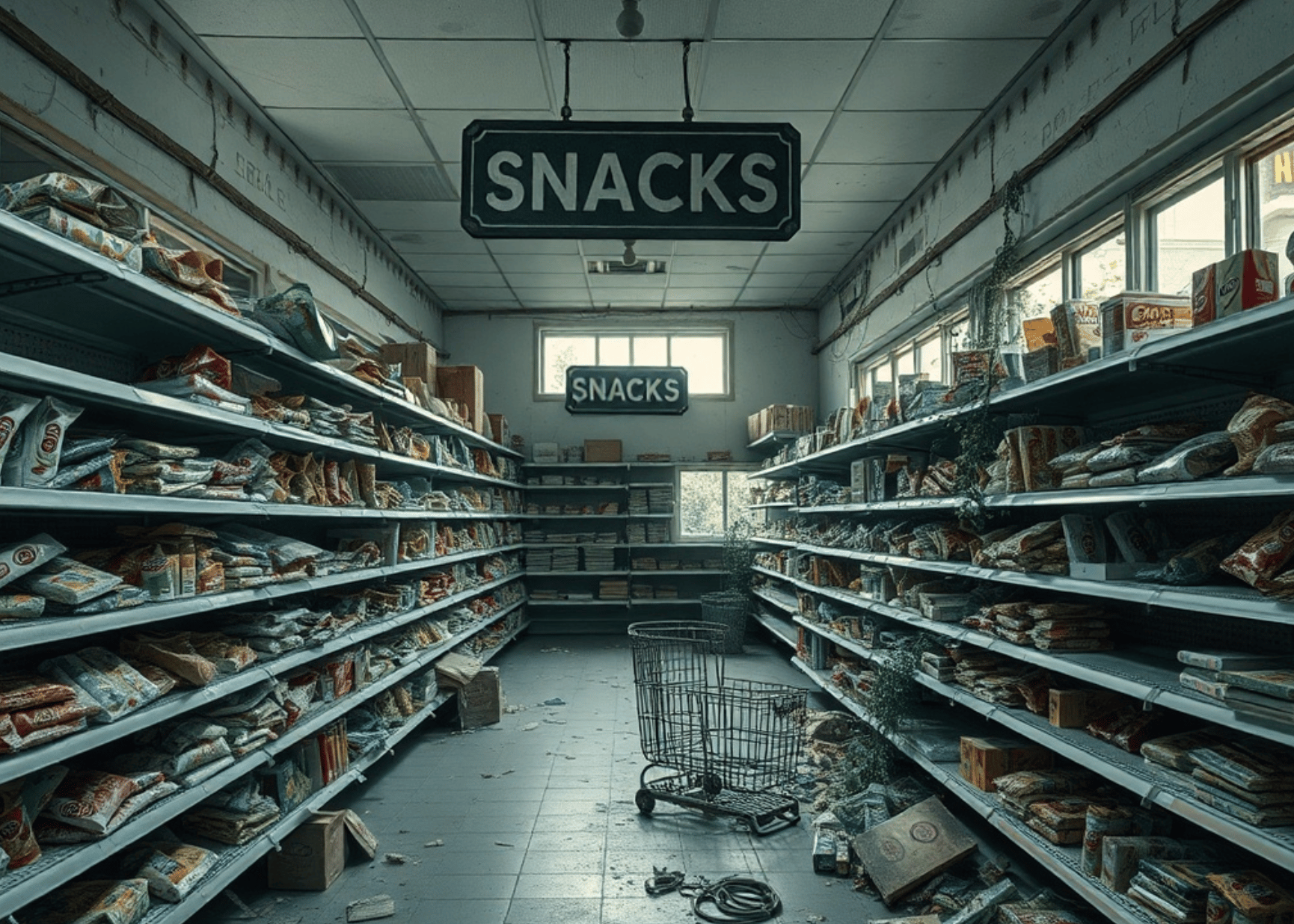
Industry Highlights: How GLP-1s Are Reshaping America's Shopping Cart
GLP-1 drugs like Ozempic are far outpacing early forecasts. In January 2025, roughly 9% of U.S. households had at least one user. By December 2025, that figure doubled to 20%. Recent data shows even higher penetration: nearly 23% of households now use them, with about 12% of adults currently taking a GLP-1 for weight loss, diabetes, or other conditions. These meds accounted for over 7% of all U.S. prescriptions by late 2025.
I recently listened to a fascinating podcast featuring PwC's US Consumer Markets Industry Leader, Ali Furman. She made the point that GLP-1 medications are starting to have real impacts on the consumer economy, reshaping collective behavior like how people eat, shop, move, and make decisions.
In other words, while headlines have focused on GLP-1s’ side effects, the real story lies in the economic side effects as consumer behavior changes rapidly.
Furman’s research found that users cut calorie intake by around 40%, reducing food and beverage spending by 4-6% and alcohol consumption by about a third. Overall household spending drops roughly 4%. Snack foods and processed items suffer sharp declines: savory snacks, sweets, and baked goods fall 6-11% in the first six months. Fast-food and quick-service restaurants see spending drop 5-8%, as users shift to smaller portions and higher-quality casual dining (up 2-3%).
But don't just look at the Nielsen data. Look at your own office breakroom. If you are still ordering 50 cheese pizzas for the Friday all-hands meeting, you might be effectively throwing company money away. Circana data shows that GLP-1 users drop their orders of sides, snacks, and sugary drinks by huge margins. The vending machine in the corner becomes a stranded asset.
We are seeing a shift where volume is dying. Fast food spend is down 5% among this group. But casual dining spend is up 2-3%. People are trading quantity for quality. They don't want the bucket of fries. They want a smaller, nutrient-dense meal that actually tastes good.
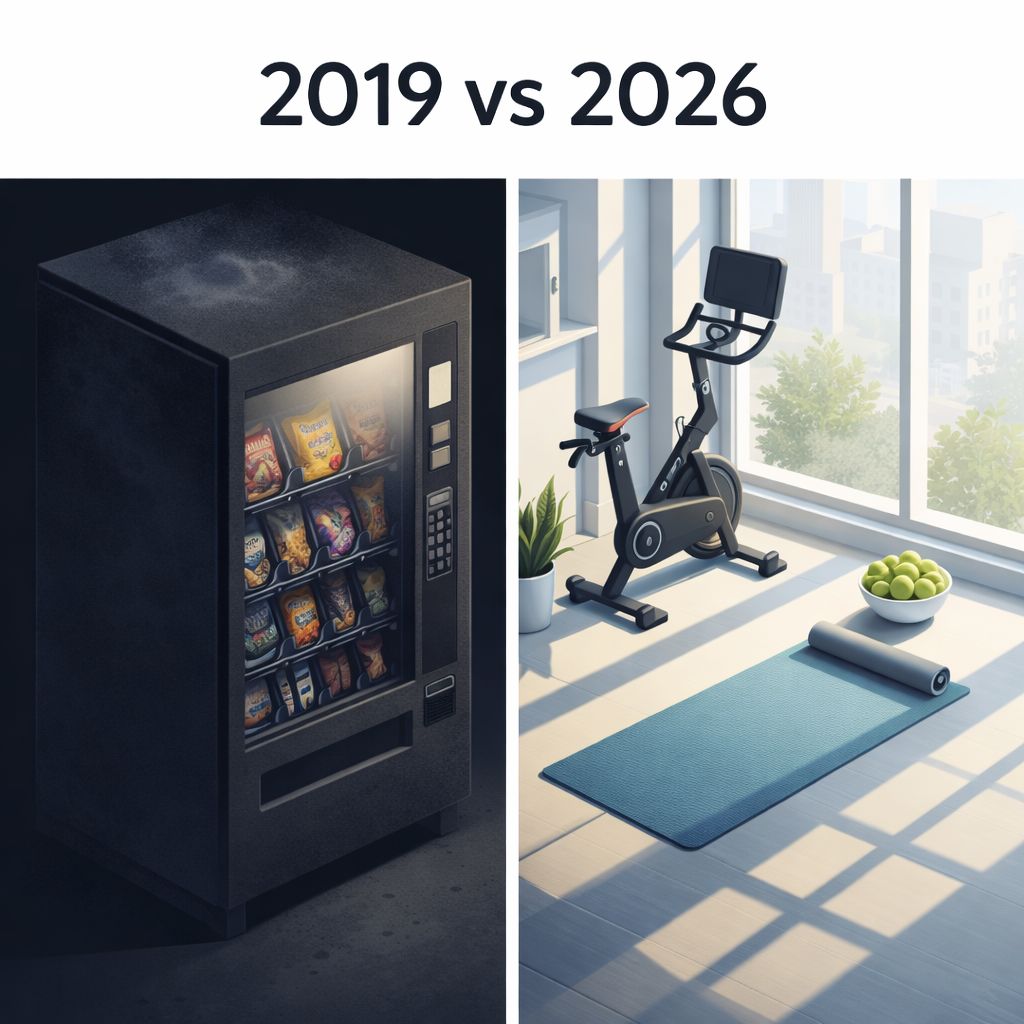
The Pivot to "Wellness"
This is where the money is moving. The dollars saved on frozen pizzas and office snacks aren't disappearing. They are reallocating.
The boom: As Ali noted, wellness services are up 75%. Spas are up 30-60%.
The trade: The consumer (and the employee) no longer wants a cookie. They want a gym membership, a nutrition coach, or a recovery session.
The vices: This one is wild. The drugs seem to curb compulsive behaviors in the brain. Users are biting their nails less, gambling less, and smoking less. If you hold stock in casinos or tobacco companies, check your portfolio.
The consumer journey has completely fragmented. Ali noted that the average GLP-1 user now visits seven different grocery stores to meet their specific nutritional needs. Seven!
This means the "one-stop-shop" model is cracking. It means the Last Mile just got more expensive and less predictable. If you rely on aggregated demand, good luck. We are moving toward a future where "mass market" is replaced by hyper-specific, health-driven consumption.
Has Wegovy killed the gym?
We’re seeing mixed impacts. Early fears of massive muscle loss haven't held up. GLP-1 weight loss affects fat and muscle proportionately, similar to traditional dieting. Many users (around half) treat GLP-1s as part of a holistic wellness push, increasing fitness activity. Others rely mainly on the drug, potentially easing gym demand somewhat, but the net effect leans neutral or positive for motivated segments.
Beneficiaries include the beauty and wellness sectors.
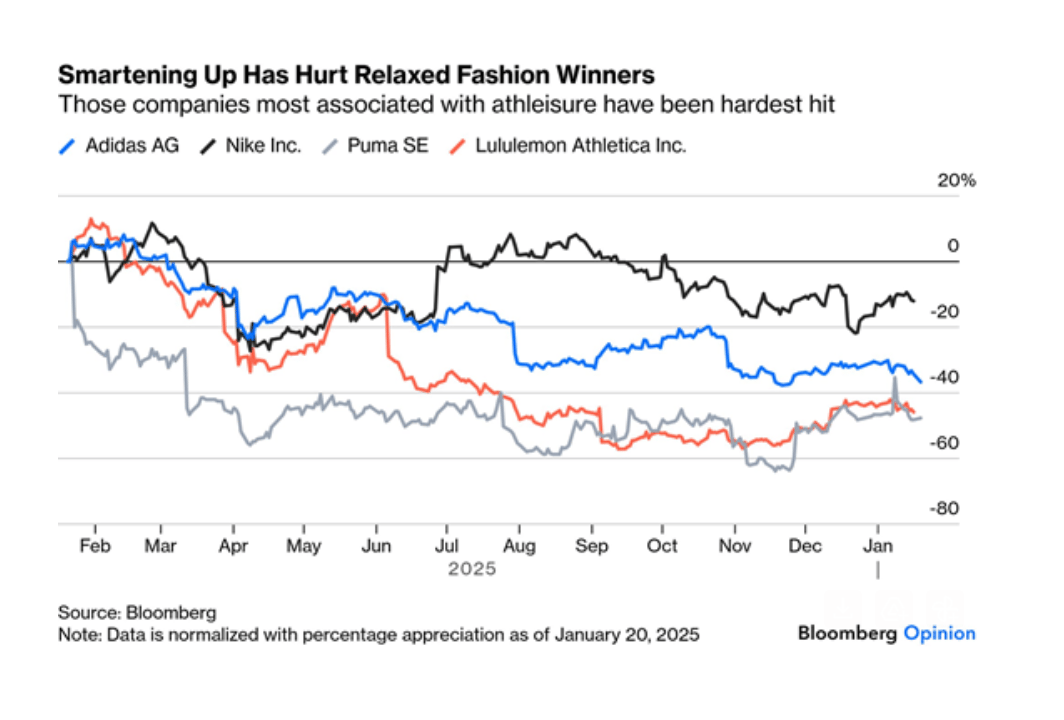
Users are turning to services to manage GLP-1 symptoms. Rapid weight loss can cause skin sagging or hair thinning, driving demand for elasticity treatments, spas (up 30-60% year-over-year), and related services (up 75%). Apparel shifts toward smaller sizes and form-fitting clothes, with users trading accessories for confidence-boosting outfits. The travel sector may gain from more self-assured consumers.
Strong growth ahead
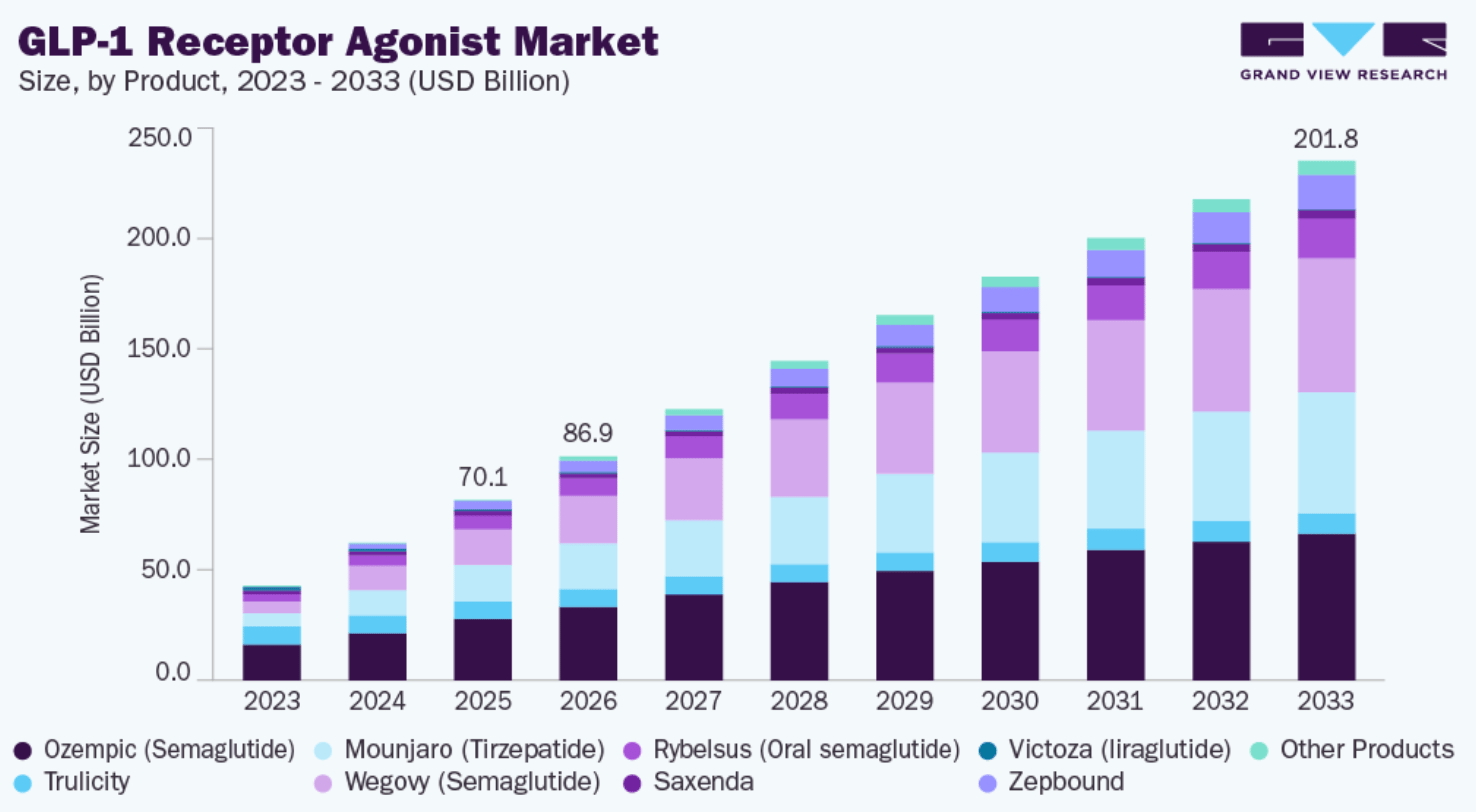
Looking ahead, growth accelerates. Oral pills launched in late 2025 (e.g., Wegovy pill at $149-$299 per month), price cuts via government deals (as low as $245 per month for eligible patients), and the potential for once-a-year injections could push adoption to 50-75% of U.S. adults in 10 years.
In summary, the losers are ultra-processed snacks, fast food, and so-called vice sectors like casinos, alcohol, and tobacco. Winners: premium nutrition, protein-rich foods, beauty/wellness, and casual dining. Investors should adapt. Keep an eye on projected GLP-1 growth, and think ahead to the sectors that will suffer or benefit from side effects.
As Ali put it, companies typically dismissed this two years ago because it wasn't showing up in the P&L yet. Well, it is there now.
The consumer is getting leaner, and businesses better follow suit.
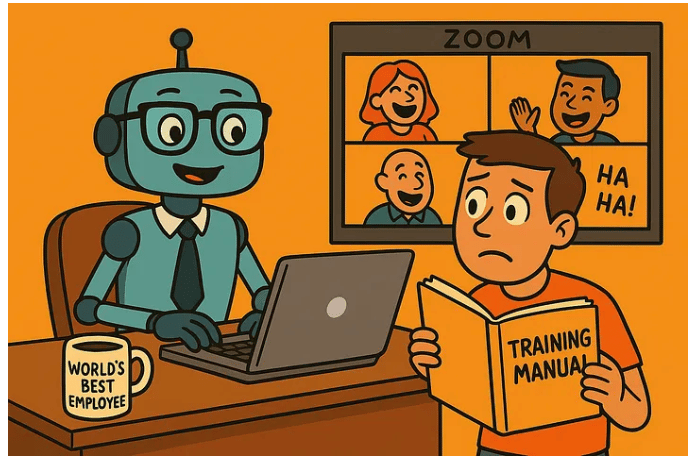
The Future of Work: Training AI To Replace You
Imagine you’re a consultant, settling into your home office, coffee in hand, ready for another day of high-stakes advisory. But instead of speaking with a Fortune 500 exec, you’re grilling an AI on crisis management. "Picture this," you type: “A Boeing plane crashes, headlines explode, stocks plummet. How does the company handle damage control? Stakeholder communications? Legal fallout?” You then critique the AI's responses, challenging the model, watching it learn. At up to $95 an hour (or more for specialists), it's a gig that beats unemployment in a tough market.
This is the new reality for thousands of highly qualified contractors. Companies like Mercor, a Silicon Valley upstart founded by three friends in 2023 and now valued at $10 billion, are recruiting professionals from consulting, journalism, real estate, and even beauty therapy and social work, to train LLMs from companies like OpenAI and Anthropic. This is not low-skilled data labelling. They're imparting sophisticated knowledge, guiding AIs through complex tasks that mirror their own careers.
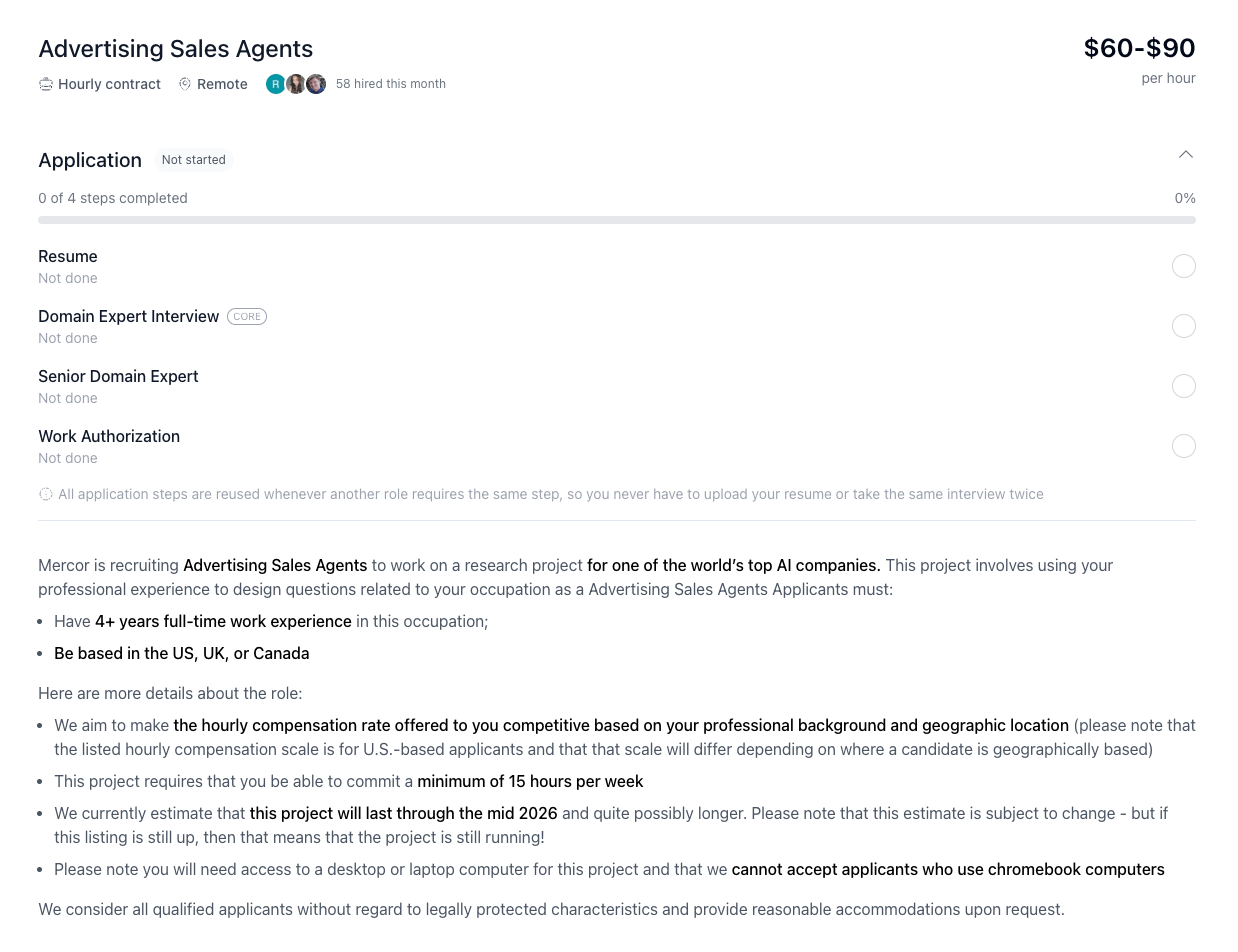
Image: A Mercor job ad for training advertising AI
You'd think these smart folks would balk at essentially building their replacements. Why accelerate your own obsolescence? But surprisingly, many dive in headfirst. According to an article in the Financial Times, the work is engaging, remote, and pays well… and beats twiddling thumbs in a sluggish job market. Mercor's 30,000 contractors echo this: an 18-year-old praises the flexibility and stimulation, while another relishes the "front-row seat" to AI's evolution. As one puts it, if they're not cashing in, someone else will.
The allure? Work feels meaningful, like teaching a brilliant but naive student. Mercor's 22-year-old billionaire CEO, Brendan Foody, calls it a "new category of work". Optimists point to history: tech disrupts, but creates roles too. A Scale AI-commissioned study shows AI training already pumps billions into the economy, with educated workers (many with master's or PhDs) juggling it alongside studies or other jobs.
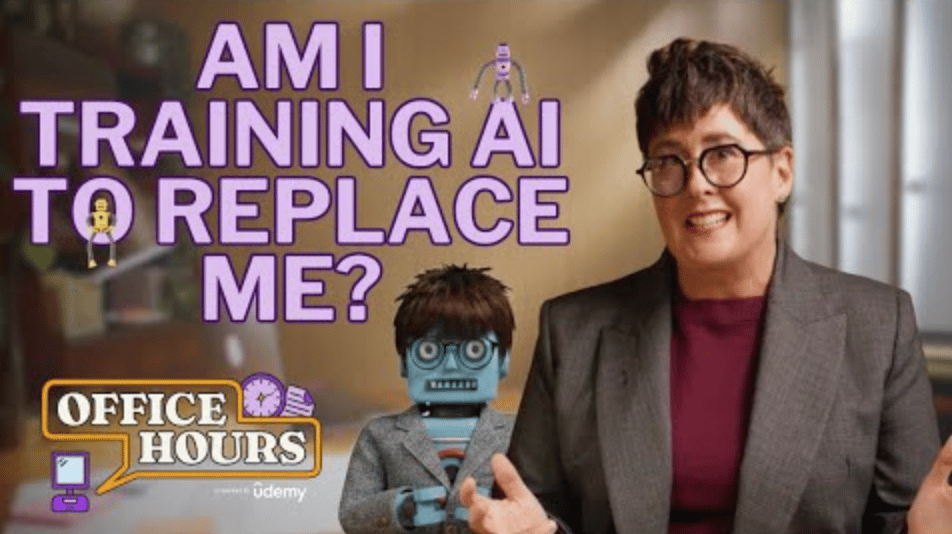
Image: Udemy
Yet, cracks show. Critics like Harvard's Zoe Cullen warn that these gig-style roles lack protections. If you train an AI in your expertise, you're eroding your bargaining power without a stake in the profits. University of Virginia's Anton Korinek adds that if AI masters knowledge work, we’re accelerating society-wide disruption. London's mayor Sadiq Khan recently flagged "mass unemployment" in white-collar fields.
Still, contractors shrug off the doom. "AI will assist, not replace," one says. Foody envisions a world where everyone manages squads of AI agents, doing more with less effort. But as Jay refines that Boeing scenario, one wonders: how long until the student surpasses the teacher? I remember that for about six months, “Prompt Engineer” was the hottest job in tech. Now, it’s obsolete.
AI Insights

Can Chinese AI models make money? Open-weight AI models like DeepSeek and Qwen are overtaking US models in terms of downloads. However, despite their technological prowess, Chinese AI startups struggle to monetize their models, facing fierce domestic competition and limited profitability. Expect a sector shake-out, soon.
Business leaders are using “yes-men AI”: Relying on chatbots fuels sycophancy by dishing out endless praise and validation, reinforcing our ego-driven culture. This trend not only risks stifling honest feedback but also exposes a troubling truth: in a world where genuine recognition is scarce, many settle for empty flattery over real growth.
AI changing emails from angry to polite: Workers are using chatbots to tone down angry messages, navigate difficult discussions, and seek feedback on potential misunderstandings. Notably, 41% of managers employ AI tools to create or edit performance reviews.
The Supply Aside

According to Jodi-Ann Burey, corporate “come-as-you-are” promises have always been a shallow ploy. You only have to glance at the long list of companies that rapidly dumped their D&I programs when the political wind changed to see that she has a point.
This is a thorny issue. “Code-switching” and other masking strategies to fit into a dominant workplace culture are not healthy, but neither, Burey argues, is disclosure in an environment that isn’t built for diverse workers’ well-being. While visibility is important, it does not equate to justice or safety for marginalized employees.
What’s the solution? Burey encourages diverse workers to reclaim agency through 1) documenting everything, 2) practicing “access thievery” or finding alternative paths that serve their interests, and 3) building supportive networks beyond the watch of corporate structures.
The next time I read a job ad that uses the phrase “bring your full self to work”, I’ll be thinking of Burey.
What Else I’m Reading
The Trump Admin is cancelling data collection including surveys that monitor food security, police misconduct, substance abuse, disaster planning, maternal and infant mortality, and many more. Why does this matter? Because we’re desperately in need of hard facts and real numbers in the post-truth world.
The Dutch chipmaking machine monopoly: This article explains why neither Asia nor the U.S. has been able to produce a rival to ASML, the supplier of extreme ultraviolet lithography machines, essential for advanced chip production. This situation is exactly what every procurement professional fears most: an unbreakable monopoly where one supplier holds all the cards.
The outcomes of military conflict are never clear: This article about last year’s 4-day clash between India and Pakistan illustrates this point. There are starkly different perceptions of victory and lessons learned from the conflict. Indian officials believe they successfully targeted their objectives, while Pakistan claims diplomatic gains despite military setbacks. This increases the risk of miscalculations in future encounters… which matters a lot when we’re talking about nuclear-armed adversaries.
📺 Watch - Buy Now! The Shopping Conspiracy

“Whoever dies with the most stuff does not win”.
“Buy Now!” is a 2024 Netflix documentary that reveals how major brands manipulate consumers into excessive buying. Former employees at several of the biggest brands - Amazon, Apple - expose the psychological tactics and marketing strategies that trap us in a cycle of overconsumption.
The main theme is the grim environmental impact of this mindset. To see a brand like Coach deliberately slashing unsold handbags to maintain exclusivity is particularly disheartening. As things stand, the circular economy doesn’t stand a chance against corporate greed.
On the same theme, this excellent ad by Vinted recently popped up in my YouTube feed: https://www.youtube.com/watch?v=yoVa6zgXM-c.

I recently recommended Morgan Housel’s “The Art of Spending Money”, and was excited to see he was the guest on one of my favorite podcasts. In this episode, he continues in the same vein, sharing his straightforward approach to building wealth, reducing financial stress, and gaining true freedom.
Instead of focusing (like 99% of wealth influencers) on getting rich, he highlights that staying rich requires a different set of skills. He discusses why sticking with "boring" investments is better than complicated strategies, how to dodge social traps that can deplete your wealth, and his formula for finding lasting contentment.
🧠 Think: Burger Economics
I’ve always liked the Big Mac Index because it cuts through the noise. No complex models, just one question: What does the same burger cost around the world? Right now, it’s flashing a warning sign across Asia. A Big Mac in Japan is about $3.40. In the US, it is over $5.80. That gap isn't about beef but about currencies that look incredibly cheap relative to the dollar.
Here is the "so what." When currencies stay misaligned this long, pressure builds. Cheap currencies boost exports and make Asian goods artificially competitive, while the dollar dominates global trade. It distorts trade flows quietly, until it doesn't. Burger economics sounds playful, but the signal is serious. When a simple lunch tells you the global economy is out of whack, you should probably listen.
I must confess, I can’t remember the last time I actually had a Big Mac, but it’s fun to know. Enough thinking.
Charts of the Week
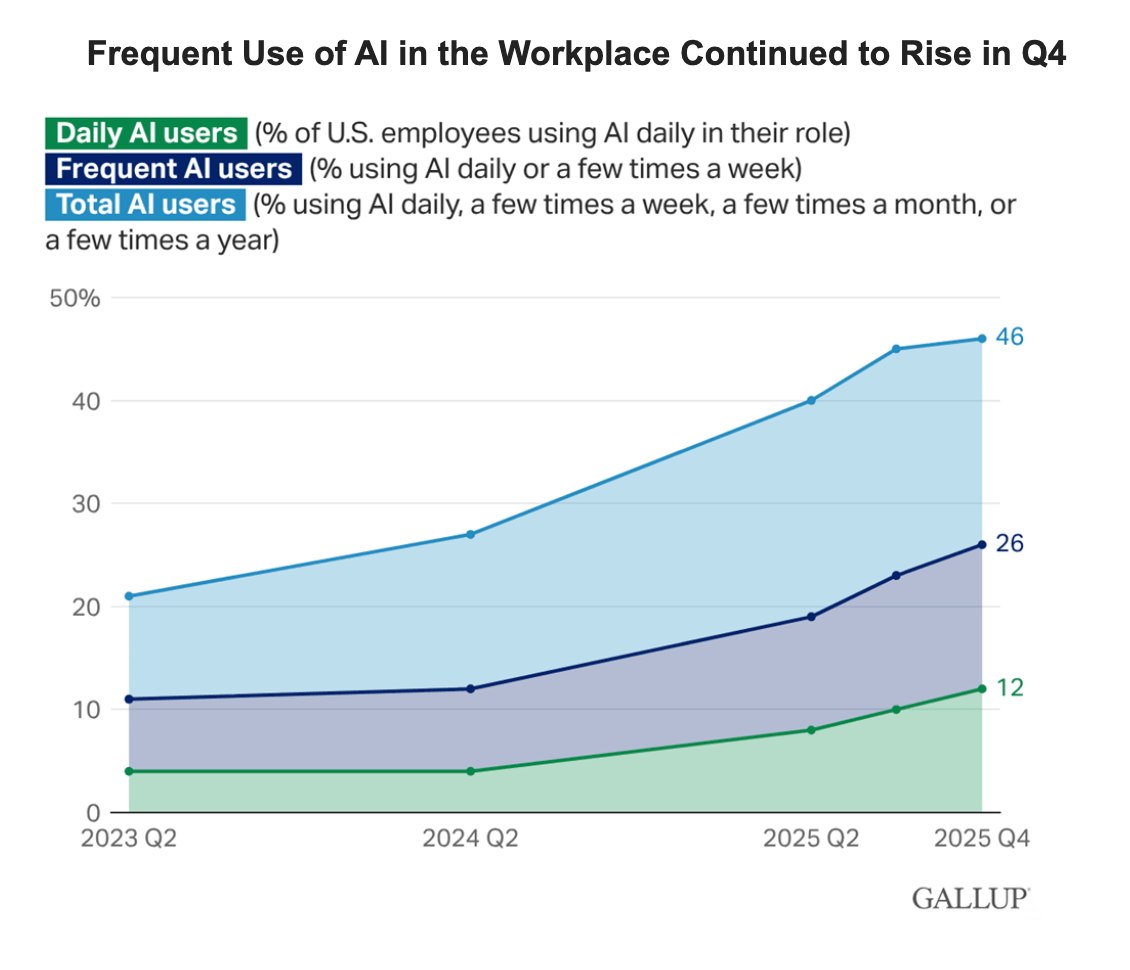
Quote of the Week
“There are two ways of spreading light: to be the candle or the mirror that reflects it."
- Edith Wharton
Tweet of the Week
The Final Chuckle
|

Thanks so much for reading. I’d love to know what you think about this issue and how I can make it more useful to you. If you have suggestions or topics you want to see me address, email me at [email protected]!
-- Naseem