- The Supply Times
- Posts
- Google Is Quietly Winning the AI Long Game
Google Is Quietly Winning the AI Long Game
The Supply Times Issue #91

Naseem Malik
January 15, 2026
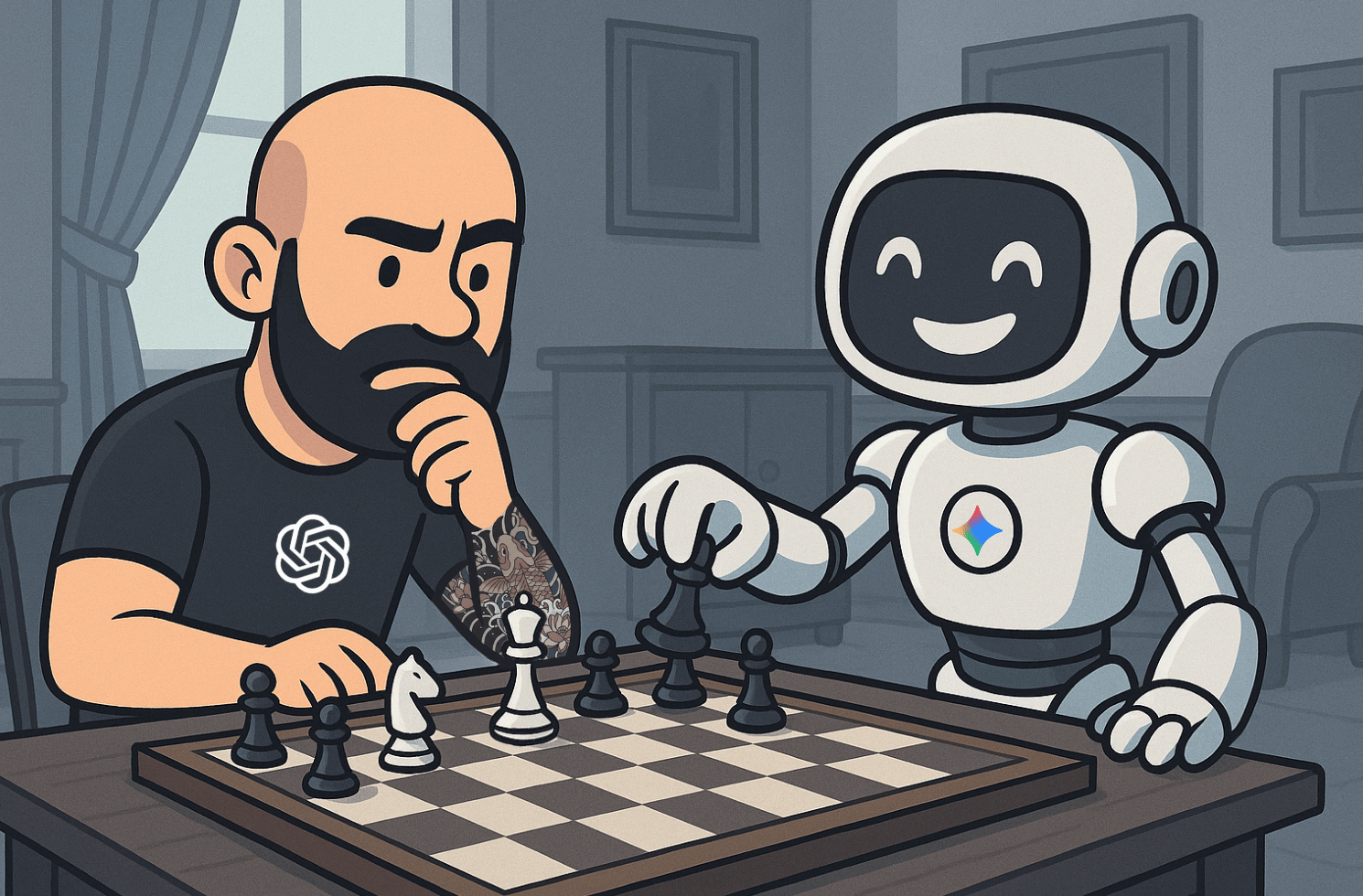
Image: Spark6
Hello, dear readers!
Welcome to the first edition of The Supply Times for 2026! As you’ve no doubt gathered from the subject line, I’ve spent this issue spectating the race between Google and OpenAI. I won’t compare it to the tortoise and hare fable (given the breakneck speed of AI development, there are no tortoises here!). But it’s undeniable that Google has taken a little more time to get its ducks in a row, and that strategy is finally paying dividends.
I also look into the phenomenon of never-ending business transformations. Frankly, they’re exhausting for employees, and they don’t always pay off, considering how disruptive they can be. What we need is a new breed of CEO who understands their mission is to prevent the need for a transformation. More on that below.
This issue features the usual bunch of AI Insights and recommendations for the week's podcasts, books, shows, charts, and tweets, followed by a final chuckle.
Let’s get going.

Image: The Rundown AI
Industry Highlights: OpenAI declares code red as Google edges past
Remember when ChatGPT burst onto the scene in late 2022 and it felt like Google was suddenly the underdog in the AI race? OpenAI's chatbot was everywhere, racking up millions of users overnight, while Google seemed caught off guard. But fast-forward to today, and Google's story is one of patience and ambition paying big dividends. Their more comprehensive, time-intensive approach to building AI models has started to outshine the competition, proving that sometimes, going deep beats going fast.
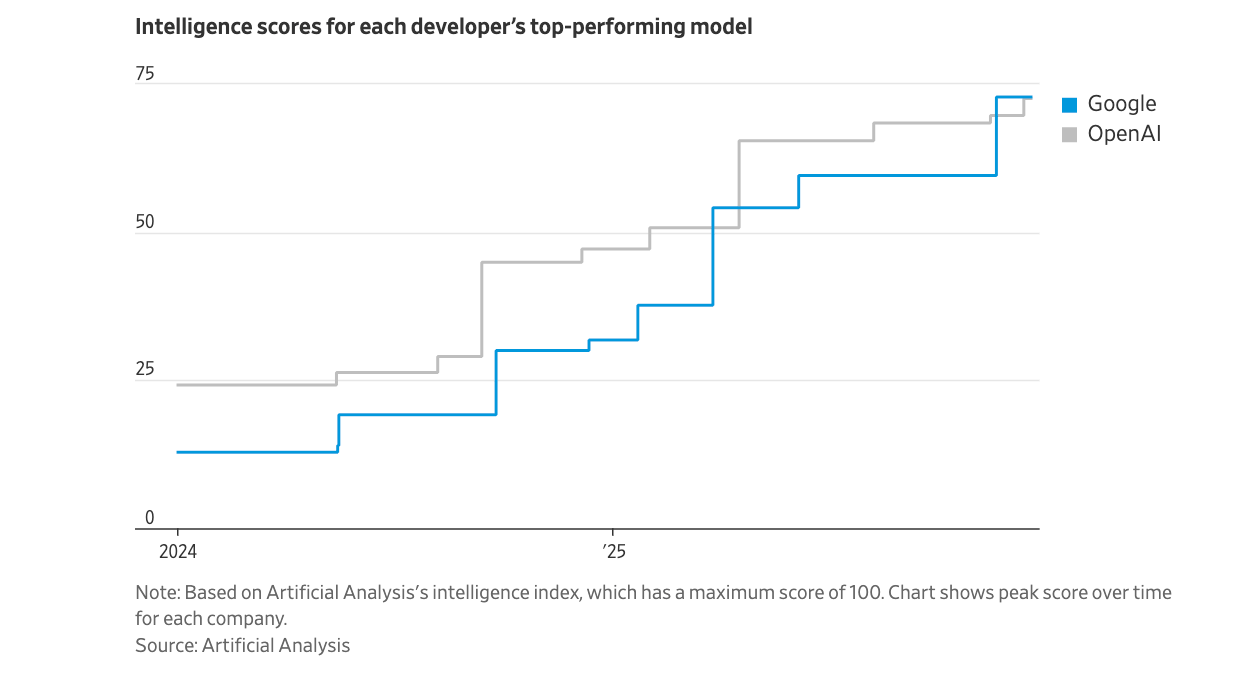
Just last month, OpenAI CEO Sam Altman rallied his team with a "code red" push to elevate ChatGPT's overall quality, putting other product launches on the back burner. He stressed the need for refinements in the chatbot's daily usability through enhanced personalization options, quicker and more dependable performance, and the ability to tackle a broader spectrum of queries.
Let's rewind a bit. Google has been knee-deep in AI for years, way before anyone had even heard of Altman. Back in 2011, they kicked off Google Brain, and in 2014, snapped up DeepMind, the lab behind groundbreaking work like AlphaFold. CEO Sundar Pichai called it early in 2016, declaring Google was shifting to an "AI-first" world. They even started designing tensor processing units (TPUs) to handle the massive computing power AI demands. It was a long game, focusing on custom hardware and deep research, not quick wins.
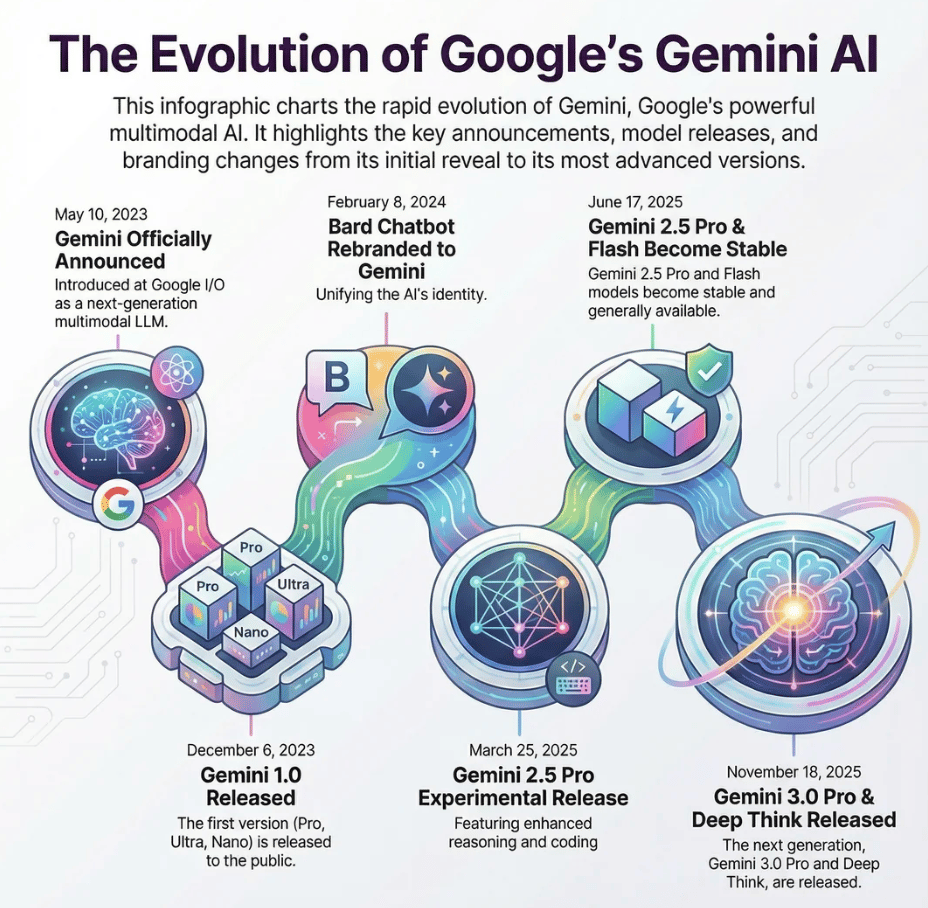
Image: Reddit
Contrast that with OpenAI's sprint. ChatGPT was built mostly on text data, which let them launch fast and iterate quickly. It was a hit, no mistake: within days, a million people were enjoying their first experience of LLMs. Google, meanwhile, took a cautious stance. Early chatbots like LaMDA were limited (conversations about dogs only) because they prioritized safety, avoiding biased or harmful outputs. That caution frustrated some insiders, and yeah, they fumbled the Bard launch in 2023 with a factual error that tanked their stock by 8%.
But here's where you can see the difference between Google’s and OpenAI’s approach. Google merged Brain and DeepMind, poured billions into R&D, and trained their Gemini models on everything: text, code, audio, images, and video. This multimodal approach took way longer. Former employees say it was why the first Gemini lagged behind ChatGPT initially. The point was that they were thinking much bigger than a chatbot: Google was engineering a versatile AI powerhouse.

Cut to 2024 and 2025: the payoff. Google's Nano Banana image generator (a late-night naming whim) rocketed to the top of AI rankings, trending on X and boosting Gemini's app to Apple's most-downloaded spot. Then came Gemini 3 in November, which outperformed ChatGPT on key benchmarks, sending Alphabet's stock soaring and reportedly triggering the "Code Red" at OpenAI. Google's AI Overviews and AI Mode revamped search, handling complex queries without killing its ad revenue golden goose. Plus, those in-house TPUs are slashing costs and even being sold to rivals like Meta, hitting Nvidia's shares hard.
An intense talent war has been playing out behind the scenes, which would require a whole newsletter of its own to describe in depth. But here’s an interesting fact that proves Google is very much on the ascendancy: former AI software engineers are “boomeranging” back to Google, with the company re-hiring 20% of its former employees who had defected to its rivals, including OpenAI.
People are watching the AI talent wars very closely, by the way. Trueup’s live talent war dashboard, for example, is a tracker of recent high-profile talent moves across the top AI Labs:
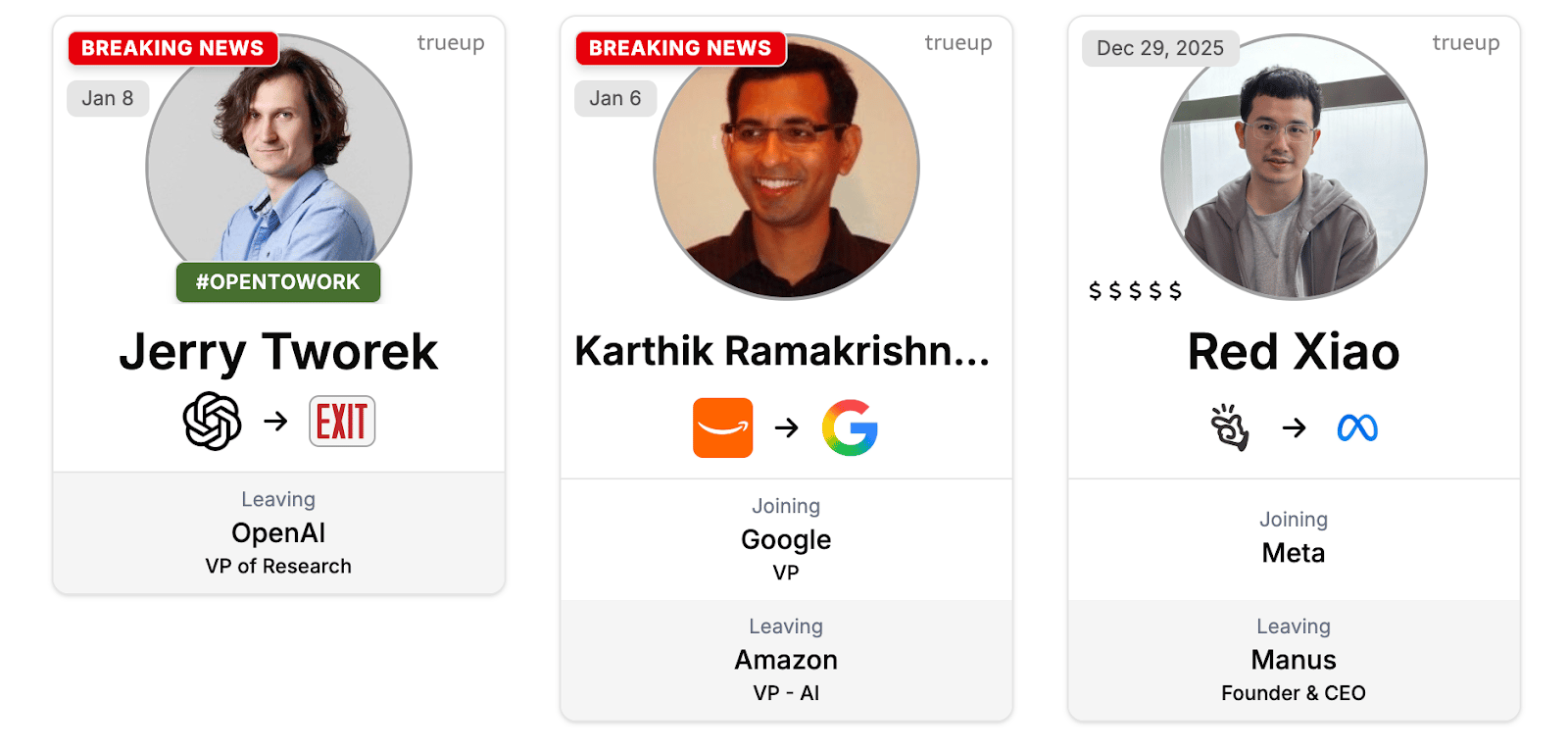
Image: Trueup talent wars tracker
But I digress. Since the Code Red, OpenAI has fought back with upgrades, and they still have more users. But Google's edge is clear: their patient, science-rooted strategy is delivering superior performance. As co-founder Sergey Brin noted, the long history in neural networks is finally bearing fruit. Revenue from AI ads, premium Gemini subs, and chip sales is rolling in, with over 650 million monthly users by October.
In the end, Google's groove-back is a lesson in betting big. While OpenAI grabbed the spotlight first, Google's deeper dive is proving more sustainable.

The Future of Work: Breaking the never-ending cycle of transformations
Most companies know the feeling. One transformation barely lands before the next one is announced. New org chart, new priorities, new slogans… again. Employees brace themselves. Customers wonder what will break this time. And leaders insist this transformation will finally fix things.
Welcome to the never‑ending cycle of transformation.
It’s exhausting. Internally, repeated shake-ups drain morale, burn out high performers, and teach people to wait out “the program of the year” rather than commit. Externally, customers and partners grow cautious, unsure which products, processes, or promises will still exist in 12 months. Yet despite the damage, some CEOs (most likely nudged along by big consultancies) seem to treat launching transformations as their raison d’être. Motion substitutes for progress.
The uncomfortable truth is that most transformations are symptoms, not solutions. They’re emergency responses to problems that were allowed to compound quietly for years. The smartest leaders don’t try to get better at transforming. They work to avoid needing transformations at all.
Here’s how, according to two experts from Bain and Company (HBR).
1. Manage the whole system, not isolated parts
Organizations are living systems, not machines. When leaders “fix” one piece without considering knock-on effects, they often create new problems elsewhere. That’s how companies stumble into serial transformations.
Strong leaders think in terms of alignment: strategy, structure, incentives, capabilities, culture, and metrics reinforcing one another. When those elements fit together, performance improves steadily. When they drift out of sync, no amount of reorgs will save you. Continuous, systemwide adjustment beats episodic, traumatic change every time.
2. Detect problems while they’re still small
Transformations usually feel sudden, but the warning signs were almost always visible earlier. They were just ignored, rationalized away, or buried under lagging indicators.
Organizations that avoid big resets invest in early sensing: leading indicators, qualitative signals, and frontline insight. They treat metrics as learning tools, not report cards to be gamed. When something looks “a little off,” they investigate instead of hoping it fixes itself. Small course corrections are far cheaper than large-scale upheaval.

3. Build agility so issues don’t metastasize
Agility is about keeping problems small. That means pushing authority closer to the work, encouraging experimentation, and making it safe to surface bad news early.
Agile organizations fix friction continuously instead of letting it accumulate into crises. Teams are aligned around a clear purpose but empowered to adapt in real time. When conditions change, the organization flexes naturally. No transformation announcement required.
4. Create value for everyone, not just the loudest voices
Many transformations are rushed attempts to placate angry stakeholders by shifting value from one group to another: employees to investors, customers to margins, partners to headquarters. That may buy temporary relief, but it plants the seeds for the next revolt.
The alternative is harder but more durable: grow the total value of the system. When employees, customers, partners, and shareholders all see a fair return, trust builds. Resistance drops. And leaders gain room to evolve the business without lighting a match.
The paradox is this: companies that are best at changing are the ones that rarely need transformations. They evolve steadily, compound progress, and spare their people the trauma of constant reinvention.
My key takeaway from all this? Get off the transformation treadmill by keeping problems small.
AI Insights

Meta announces Meta Compute: an initiative to build artificial intelligence infrastructure and oversee its global fleet of data centers and supplier partnerships in its pursuit of superintelligence. Meta is expected to build “tens of gigawatts this decade, and hundreds of gigawatts or more over time”, according to Zuckerberg.
25,000 of McKinsey’s 60,000 workers are AI agents: What’s interesting here is the way CEO Bob Sternfels appears to refer to the agents as members of his workforce, rather than pieces of code. McKinsey’s plan is to pair every human consultant with at least one agent.
Musk Grok tool to be integrated into Pentagon networks: The announcement came as part of a new AI strategy with specific pathways for adoption across military activities that “discover, test, and scale” new ways of using AI in combat. The project seeks to develop foundation models for “enabled battle management and decision support, from campaign planning to kill chain execution.” While the media is focused on Grok’s recent ethical breaches (AI-generated sexually explicit imagery of minors), we should be equally concerned about the rapid erosion of meaningful human control in military tech.
The Supply Aside

What I love about Ezekiel Emanuel is his willingness to take the fight to misinformation and pseudoscience in health and nutrition. For as long as I can remember, news outlets have been over-extrapolating the results of tiny or outlier studies, and always opting to interview a sensationalist over a respected (but boring) scientist.
Eat Your Ice Cream equips readers with the confidence and assurance we need to avoid being swayed by the latest trends. Emanuel offers six evidence-based rules around alcohol consumption, food, exercise, sleep, mental acuity, and social engagement.
The fact is that the noise and misinformation are only going to get worse, but this book will give you a better understanding of what really matters for well-being.
What Else I’m Reading
Companies are struggling with a wave of chatbot-generated job applications: The rise of LLMS has led to a dramatic increase in job applications, with candidates sending 239% more applications since 2022, featuring automated résumé and cover letter submissions. In response, recruiters are enhancing their AI screening processes while grappling with challenges posed by fake profiles and AI-generated applications, which may ultimately transform traditional hiring practices.
Mandarin Oriental CEO on the new definition of luxury: The concept of luxury is evolving from accumulating material goods to prioritizing memorable experiences. Laurent Kleitman, CEO of Mandarin Oriental, is embracing this shift by aiming to create authentic moments that resonate with guests.
Why is oil-rich Venezuela so poor? Everybody’s Business podcast explains how a nation with “seemingly limitless” oil reserves became one of the world’s poorest countries. Hint: massive spending by Hugo Chavez during oil price spikes that continued when prices fell.
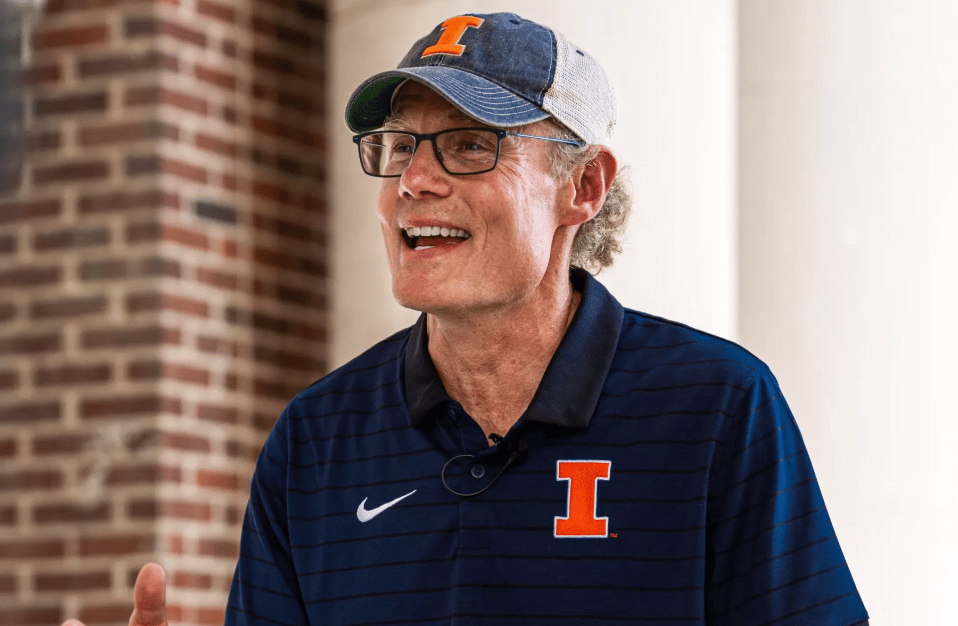
Larry Gies made headlines recently when he gave a transformational $100 million gift to Illinois Athletics. Here’s what makes him one of the most influential philanthropists in Illinois history: his sense of purpose and his faith in the idea that businesses are a force for good. Here’s a quote directly from this episode of Forged in America:
“Business is a force for good, not evil. As we tell our employees, the more cash we create, the more of this mission we can spread around the world. We need [leaders] who can say that business isn’t bad. Sure, there are bad people in business, but 99% of business is good. If it wasn’t for business, we wouldn’t have the economy we have. We wouldn’t have roads, schools, buildings, hospitals.
However, we are leaving a huge part of the population behind, and that needs to get fixed. Not by handouts - by creating jobs where people feel good about themselves and they have a leader who connects the dot to the higher purpose. And the people working in that job feel good about what they do because inherently, people don’t want handouts. They want an opportunity to be a part of the American dream, and that’s what makes our country beautiful. That’s what we’ve got to do.
Oh dear, that sounds like I’m making a pitch for Mayor of Chicago….”
👂 Listen - Invest Like the Best Podcast: Reed Hastings
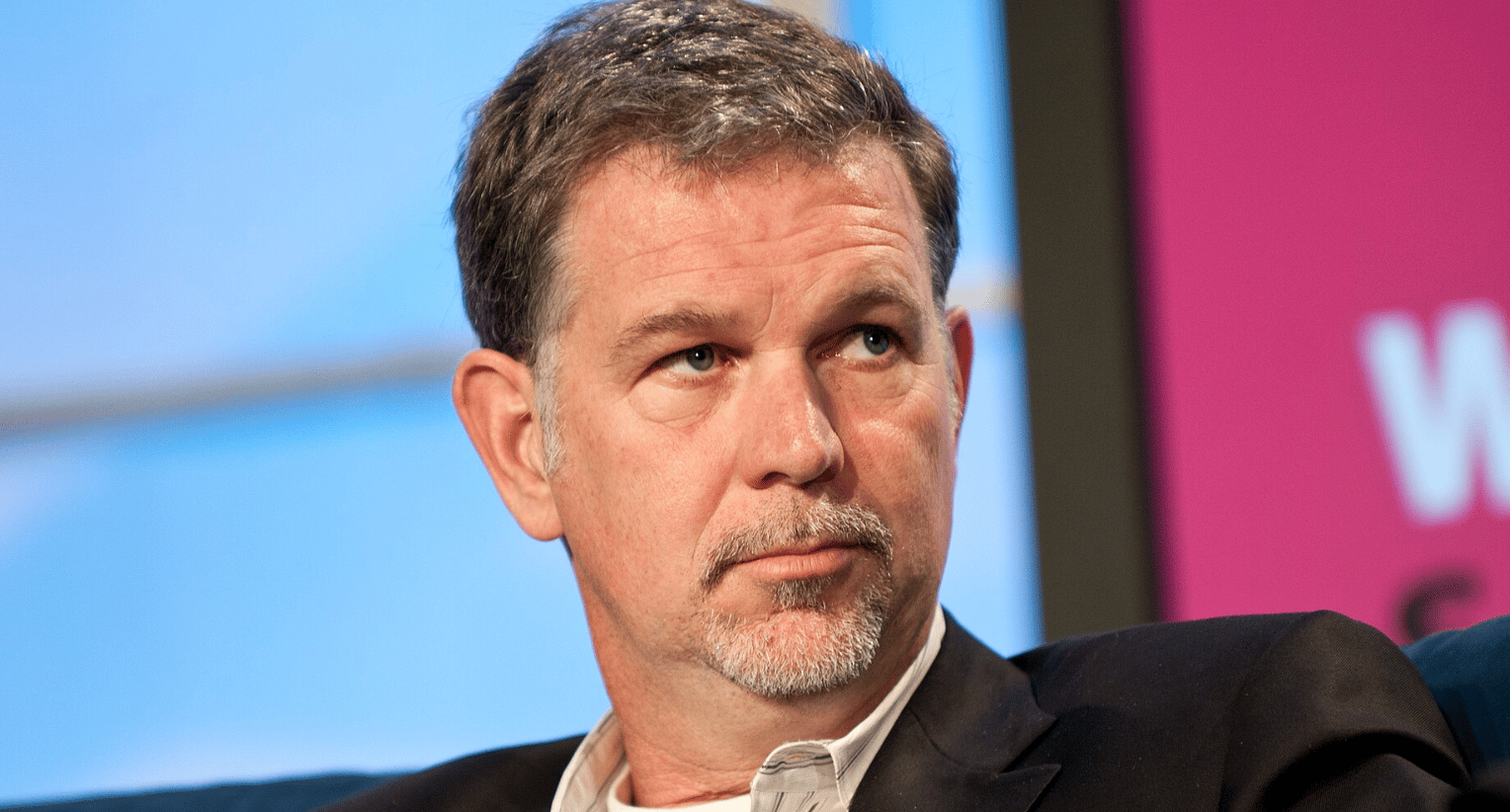
An interview with Netflix CEO Reed Hastings where he talks about AI and provides an inside view from the boardrooms of Microsoft, Anthropic, Meta, and Bloomberg.
As for the incredible Netflix journey, it’s easy to look back over the years and say it was all part of the plan. That’s why when Hastings claims that the company envisioned modern-day streaming services way back in 1997 and says its DVD business was only a stepping stone to this environment, I’m a little skeptical. Mind you, WebTV launched in 1996, so perhaps that provided the inspiration.
🧠 Think: The economics of rupture
I read an Economist piece on regime change economics that stuck with me, especially this line: "The economics of rupture is about credibility. That is easier to lose quietly at home than to rebuild loudly abroad."
The core insight: political upheaval only drives economic recovery if it establishes a credible anchor. Clarity over who sets the rules, how they're enforced, and whether they'll last long enough to justify investment. Serbia rebounded after 2000 because the new government quickly restored relations with the IMF and rejoined the global economy. Tunisia, after 2011, stayed stuck because governments bought calm with higher spending while postponing tough reforms.
This applies beyond geopolitics. Economic expectations can fray without uprisings or coups. They rest on credible commitments not to rewrite contracts, politicize regulation, or debase currency. Think about your own supply chain decisions. You're constantly betting on regulatory stability, contract enforcement, and policy continuity. When those anchors shift, even incrementally, investment freezes.
Something to keep in mind as we launch 2026!
Charts of the Week


Quote of the Week
“Savor the little victories as much as you criticize the little mistakes.”
- James Clear
Tweet of the Week

The Final Chuckle

|

Thanks so much for reading. I’d love to know what you think about this issue and how I can make it more useful to you. If you have suggestions or topics you want to see me address, email me at [email protected]!
-- Naseem